HFUF PROGRAMS & INITIATIVES
Kuia Stewardship
Initiative
The Kuia Stewardship Initiative is HFUF’s flagship program in West Maui, developed in close partnership with Kamehameha Schools Bishop Estate (KSBE), the Kuia Agricultural Education Center (KAEC). The program takes an indigenous ahupua'a based approach to land stewardship, addressing fallow fields fuel load mitigation, regenerative agriculture, innovation, Hawaiian cultural traditions, and hands-on community education. Together, these efforts form a living model of how ahupuaʻa-based land management can strengthen ecological resilience and community well-being.
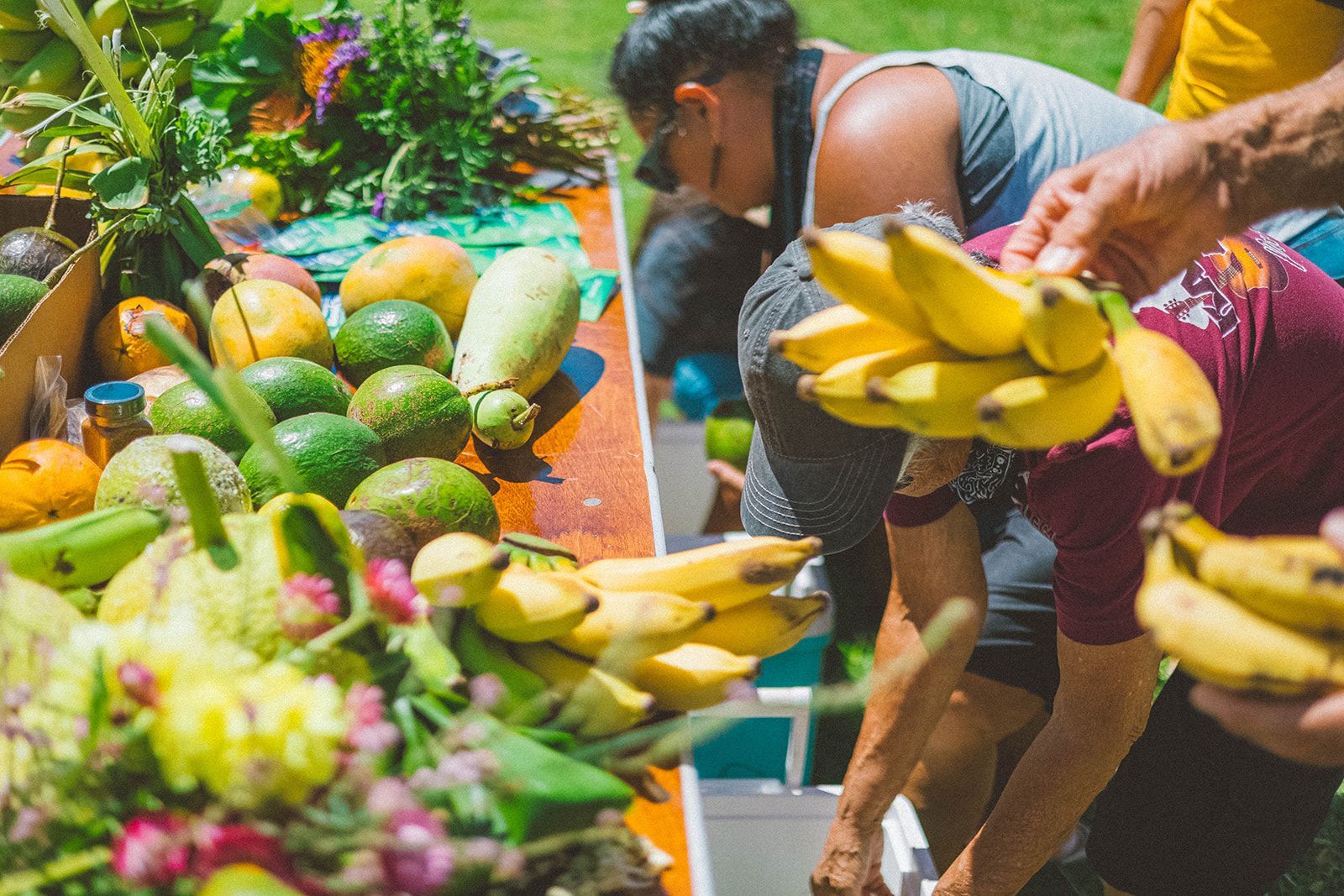
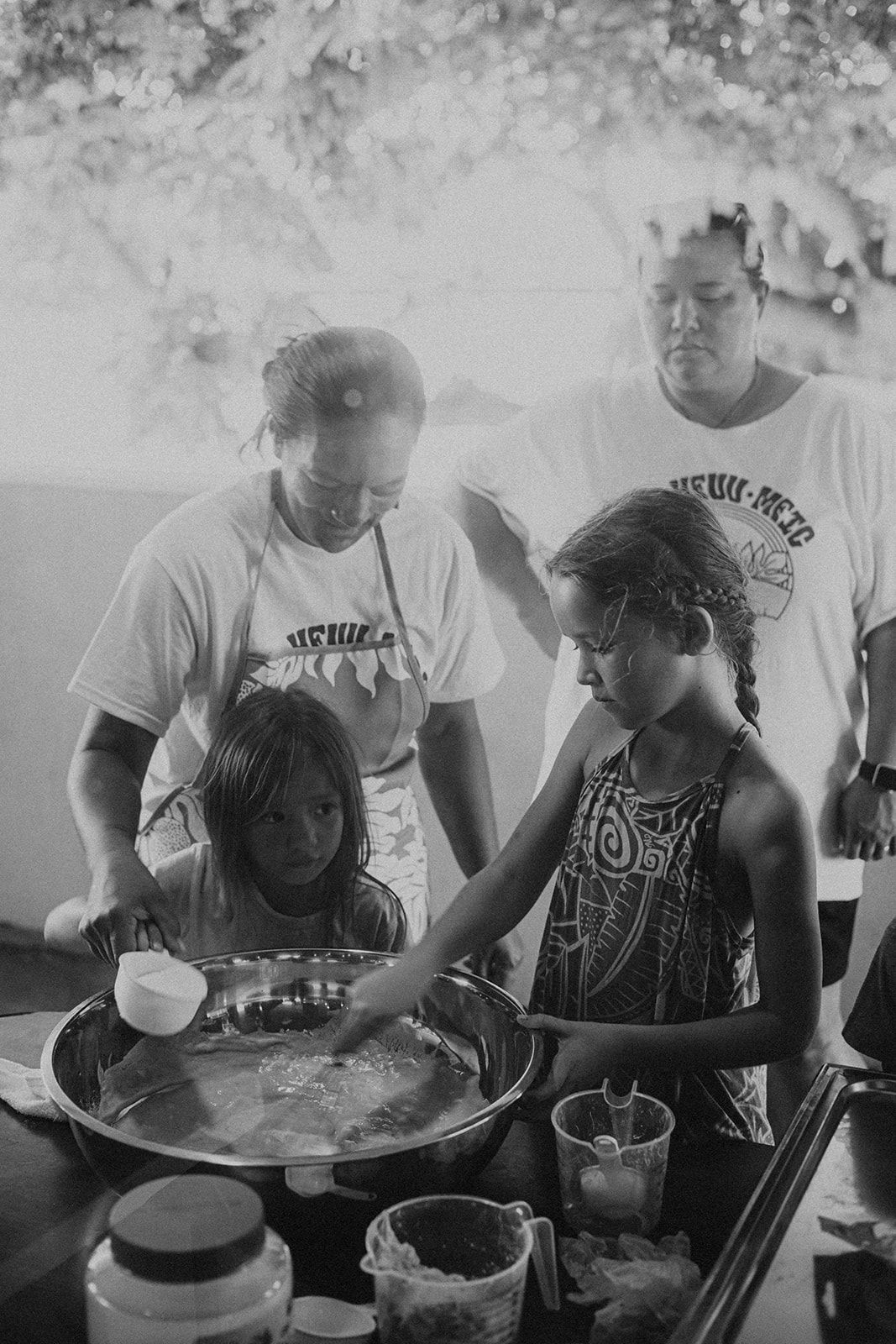
Kuia Agricultural Education
Center (KAEC)
The Kuia Agricultural Education Center is the heart of this work — a trusted, community-led hub rooted in ʻike kupuna (ancestral knowledge) and Native place based stewardship practices. KAEC provides hands-on agricultural education for youth, farmers, and community members, serving as both a gathering place and a training ground.
Students, kūpuna, and community partners come together here to learn farming, conservation, and resilience practices that directly connect them to the ʻāina.
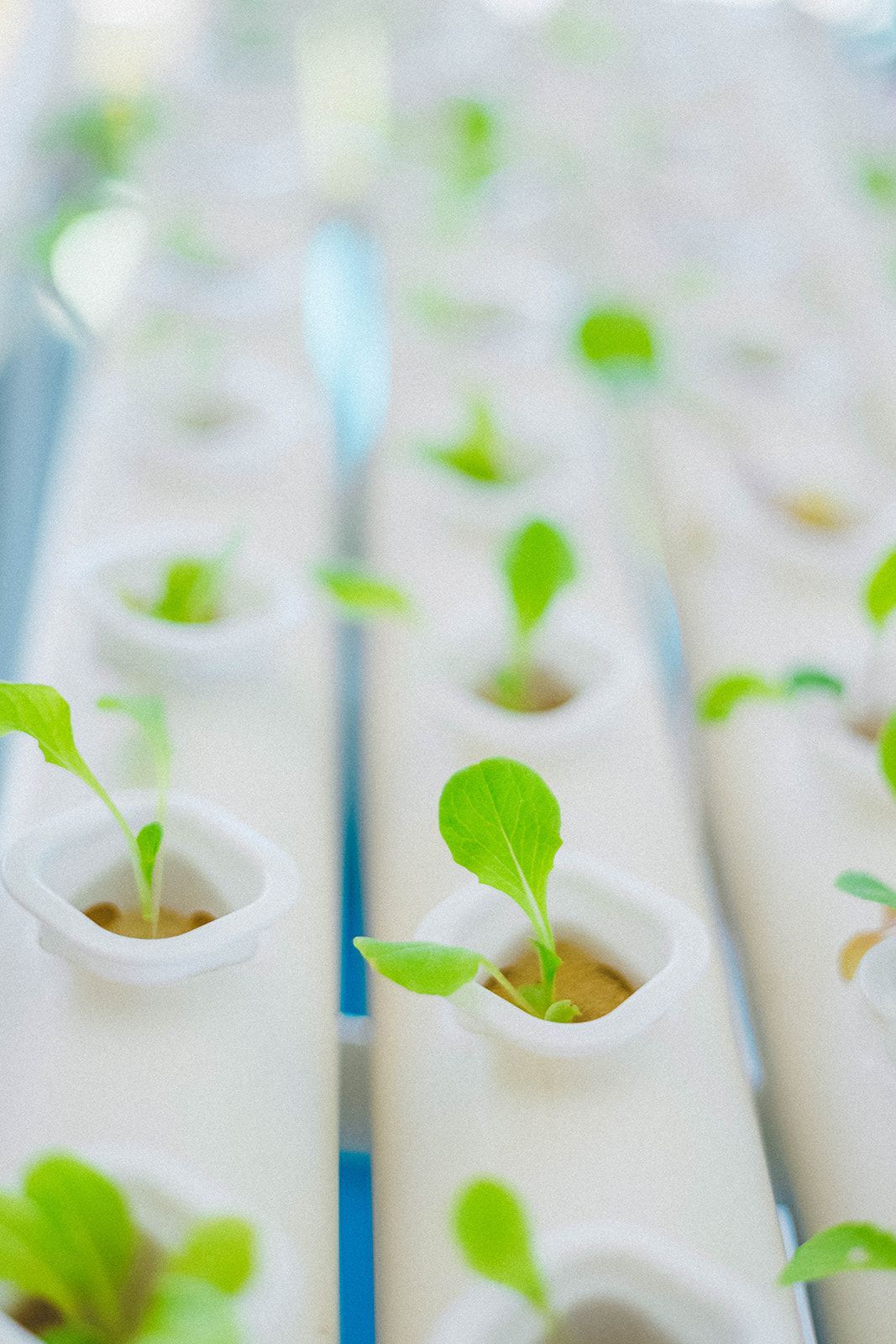
High in the Kuia ahupua‘a, the Puʻuwai native habitat restoration project focuses on regenerating native and culturally significant plant species to protect the
watershed and restore ecological balance. By replanting forests and
reestablishing traditional vegetation zones, this work improves soil and water health, enhances biodiversity, and reduces erosion.
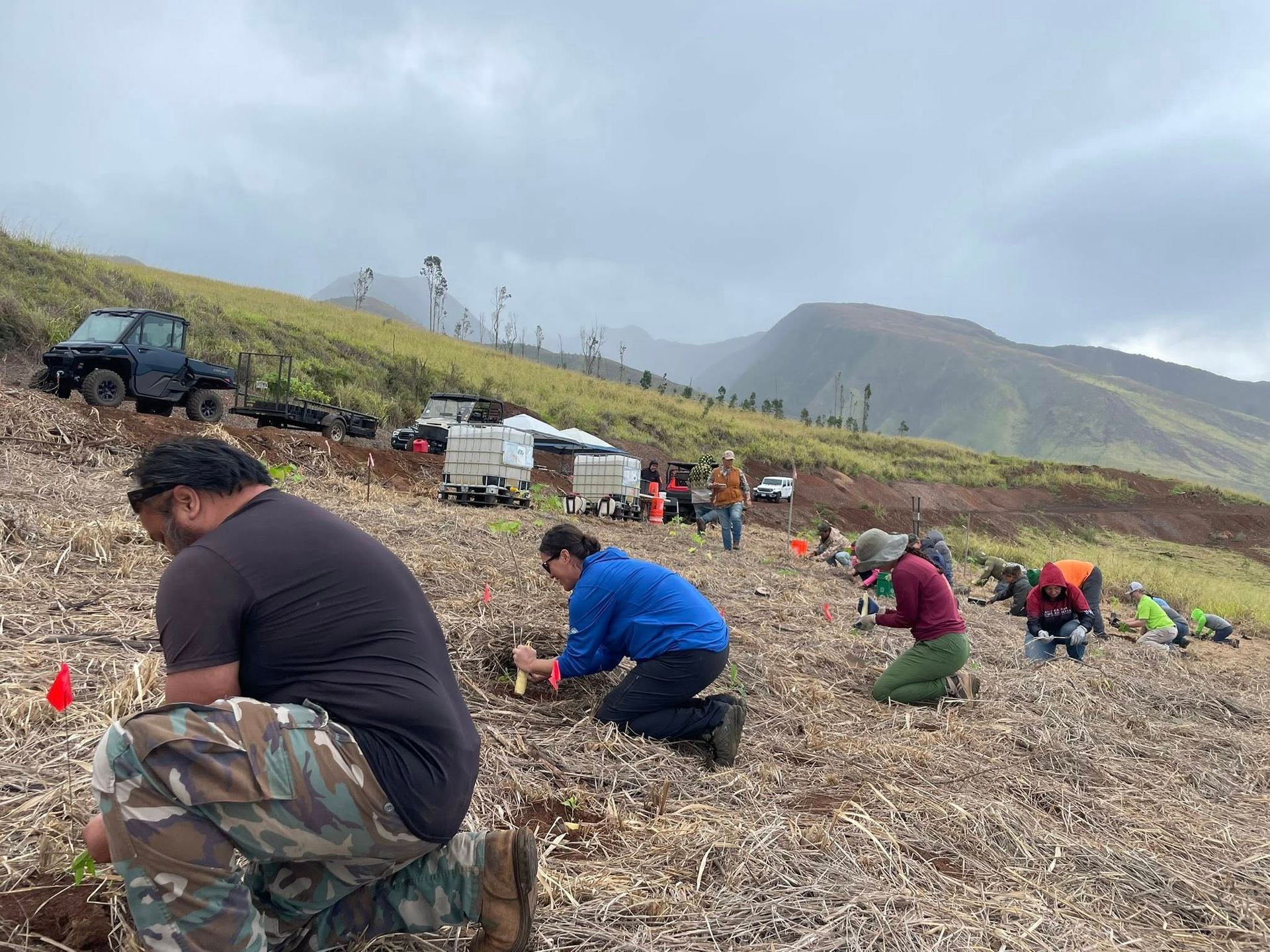
Community planting days and youth engagement programs bring people into
direct relationship with the land, ensuring that restoration is not only ecological but also cultural. The ma uka work safeguards the uplands while strengthening
generational connections to stewardship practices.
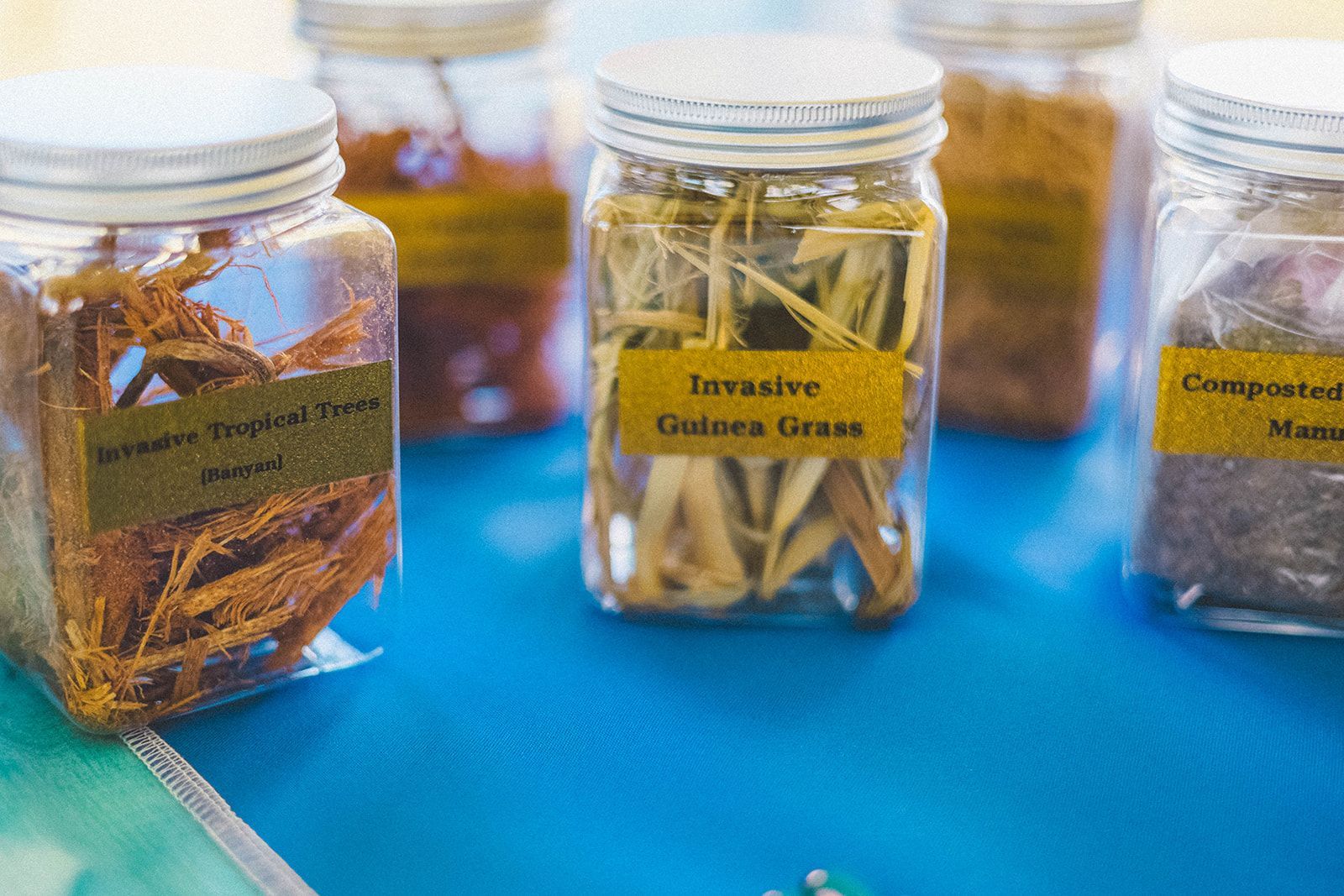
The grazing program addresses one of West Maui’s most pressing challenges: wildfire risk fueled by fallow lands. HFUF, KSBE, and KAEC are launching a 650-acre grazing program using 80 cull cattle and virtual fencing technology, a first-of-its-kind approach in Hawai‘i. By rotating cattle intensively across the land, the project reduces fuel loads, and supports healthier soils with improved water retention.
This program demonstrates how regenerative ranching can serve both
environmental and agricultural goals: protecting communities from wildfire and
maintaining working lands.
PARTNERSHIP ROLES
HFUF: Leads project management, grant administration, and funding strategy, ensuring the program is sustainable and scalable.
KAEC: Program of HFUF, serves as the community anchor, offering education, outreach, and on-the-ground stewardship.
KSBE: Provides land access, invests in critical infrastructure such as fencing and irrigation, and supports long-term stewardship.
IMPACT AND
VISION
The Kuia Stewardship Initiative integrates restoration, ranching, and education into one cohesive program. Its outcomes include:
650 acres under active fuel load reduction and grazing management. Reforestation of mauka lands with native and culturally significant species.
Strengthened soil health and water retention capacity.
Reduced wildfire risk for surrounding communities.
Increased community engagement in regenerative land management.
In the long term, the initiative will serve as a replicable model
for wildfire mitigation and regenerative agriculture across Hawai‘i.
By aligning cultural knowledge, ecological restoration, and innovative grazing practices,
the Kuia Stewardship Initiative demonstrates how land stewardship
can create lasting resilience for both people and ʻāina.